



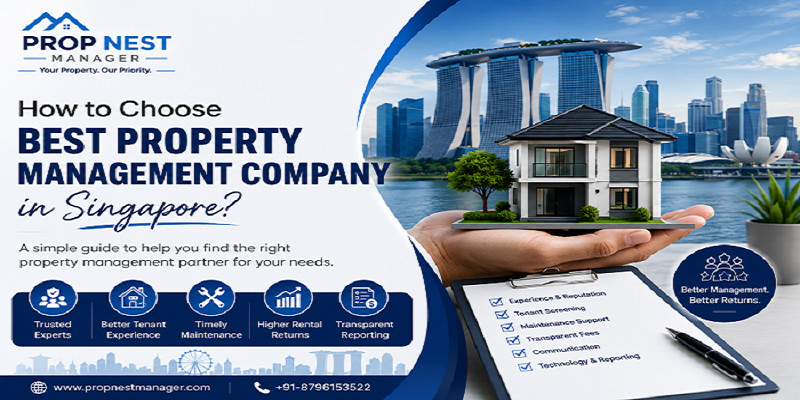

Owning a property in Singapore can be a valuable investment, but managing it effectively requires time, local knowledge, and consistent attention. From finding suitable tenants and collecting rent to coordinating repairs and maintaining the property, there are many responsibilities that can quickly become overwhelming—especially for busy owners and overseas investors.
Choosing the best property management company in Singapore can make property ownership significantly easier. The right management partner can help protect your property, improve the tenant experience, reduce operational stress, and support long-term investment performance.
But with different companies offering different levels of service, how do you decide which one is right for your property?
1. Understand What You Actually Need
Before comparing property management companies, identify the services you need.
Some property owners may only need help with tenant placement and rent collection, while others want complete end-to-end management.
Common property management services include:
- Tenant sourcing and screening
- Rental marketing and property listings
- Tenancy agreement coordination
- Rent collection and payment follow-ups
- Security deposit administration
- Property inspections
- Maintenance and repair coordination
- Tenant communication and complaint handling
- Lease renewals
- Financial reporting
- Property marketing and rental optimisation
A full-service provider can be particularly useful when you live overseas or do not have enough time to manage day-to-day property matters yourself. Singapore property management providers commonly combine leasing, maintenance, tenant relations and financial administration as part of their services.
2. Check the Company’s Experience
Experience matters when choosing a property manager.
A company with strong local experience is more likely to understand rental-market conditions, tenant expectations, maintenance requirements and the practical challenges associated with managing properties in Singapore.
Ask potential companies:
- How long have you been managing properties?
- What types of properties do you manage?
- Do you manage residential, commercial or both?
- How many properties or units are currently under management?
- Can you provide relevant client references or case studies?
A strong track record doesn’t necessarily mean choosing the biggest company. Instead, look for experience that matches your property type and management requirements.
3. Evaluate Tenant Screening and Leasing Support
Finding a tenant is only one part of successful rental management. Finding a suitable tenant can help reduce future problems.
Ask how the company handles:
- Tenant background checks
- Identity and document verification
- Employment or income checks where appropriate
- Rental history and references
- Tenancy documentation
- Move-in and move-out procedures
Professional property managers may also advise landlords on market rental rates, market properties, process tenancy applications and coordinate tenancy documentation.
The goal should be to balance occupancy, rental value and tenant quality, rather than simply finding the first available tenant.
4. Look at Their Property Maintenance Process
Maintenance is one of the most important parts of property management.
A leaking pipe, electrical issue, air-conditioning problem or appliance breakdown can become a major inconvenience if there is no quick response system.
Ask the property management company:
- How are maintenance requests received?
- Is there emergency support?
- How quickly are tenants contacted?
- Do you have a network of trusted contractors?
- Do owners need to approve repairs above a certain amount?
- Are maintenance costs documented and reported?
Preventive maintenance can also help identify problems before they become expensive repairs. Professional property managers often coordinate inspections, repairs, cleaning and maintenance to keep properties in good condition.
5. Prioritise Transparent Fees and Reporting
Cost is important, but the cheapest property management company is not necessarily the best choice.
Before signing an agreement, understand exactly what you are paying for.
Ask for a clear breakdown of:
- Management fees
- Tenant placement or leasing fees
- Renewal fees
- Inspection charges
- Maintenance coordination charges
- Administrative fees
- Marketing expenses
- Other potential third-party costs
You should also ask how often you will receive financial reports.
Good property management should provide clear records of rent received, expenses, maintenance costs and other relevant transactions. Transparent accounting and property records are important components of professional property management.
6. Assess Communication and Responsiveness
A property manager may be responsible for communicating with tenants, contractors and the owner. Poor communication can quickly create unnecessary stress.
Before hiring a company, find out:
- Who will be your main point of contact?
- How quickly do they normally respond?
- How are emergencies handled?
- Will you receive regular property updates?
- Can you communicate through email, phone or digital platforms?
- How are important decisions escalated to the owner?
Technology can make this process easier. Some professional property management companies use digital systems and real-time information tools to centralise property operations and improve communication.
7. Make Sure They Understand Your Investment Goals
Every property owner has different priorities.
For example, one owner may prioritise maximum rental income, while another may focus more on long-term property preservation and tenant stability.
Tell the property manager what matters most to you:
Higher rental income?
The company should understand local rental conditions and marketing strategies.
Lower maintenance costs?
Ask about preventive maintenance and vendor management.
Minimal involvement?
Look for a genuine end-to-end management service.
Long-term property value?
Ask how the company approaches maintenance, inspections and property improvements.
The best property management relationship should be aligned with your investment objectives.
8. Consider Technology and Remote Management
Remote property management is especially important for overseas owners and busy investors.
A modern property management company should make it easy to stay informed without needing to physically visit the property.
Useful features may include:
- Digital documentation
- Online rent statements
- Maintenance updates
- Property inspection reports
- Photo or video updates
- Digital communication
- Centralised records
For owners living outside Singapore, these systems can provide greater visibility and convenience.
9. Read Reviews—but Don’t Rely on Reviews Alone
Online reviews can help you understand how a company communicates with clients and handles problems.
However, don’t make your decision based solely on star ratings.
Look for patterns in reviews related to:
- Responsiveness
- Tenant management
- Maintenance
- Transparency
- Professionalism
- Communication
- Financial reporting
If possible, ask the company for references from property owners with similar requirements.
10. Read the Management Agreement Carefully
Before signing, carefully review the management agreement.
Pay attention to:
- Contract duration
- Termination conditions
- Management fees
- Leasing and renewal charges
- Maintenance approval limits
- Owner responsibilities
- Manager responsibilities
- Notice periods
- Handling of tenant deposits and rental payments
- Reporting requirements
If any clause is unclear, ask the company to explain it before signing.
A professional provider should be comfortable explaining its scope of work and fee structure clearly.
11. Ask the Right Questions Before Hiring
When comparing property management companies in Singapore, consider asking these questions:
- What services are included in your management fee?
- How do you screen prospective tenants?
- How do you determine rental pricing?
- How quickly do you respond to maintenance requests?
- Do you provide emergency support?
- How often will I receive property and financial reports?
- How are repair expenses approved?
- Do you manage lease renewals?
- What happens if I want to terminate the management agreement?
- Who will be responsible for managing my property?
The answers will help you understand not only what the company offers, but also how it operates.
Why Choosing the Right Property Manager Matters
A property management company does more than collect rent. The right partner can become an important part of protecting your investment.
Professional management can help with tenant relations, maintenance, leasing, financial administration and ongoing property care. These areas can influence both the tenant experience and the long-term condition of the property.
For overseas owners, the value can be even greater because a reliable local team can coordinate property-related matters without requiring the owner to be physically present.
Final Thoughts
Choosing the best property management company in Singapore should not be based on price alone. Look at the company’s experience, service coverage, tenant management process, maintenance network, communication, transparency, technology and contract terms.
The right company should make property ownership simpler, more transparent and less stressful while helping you protect the value of your investment.
If you are comparing property management providers, take the time to understand exactly what is included in their service and whether their approach matches your property and investment goals.
Prop Nest Manager provides end-to-end property management solutions designed to give property owners professional support while reducing the day-to-day responsibilities associated with property ownership. Its services include tenant management, rent collection, maintenance, inspections, legal and documentation support, property marketing and NRI property management.
Frequently Asked Questions
Q1. What does a property management company do in Singapore?
A property management company can handle tasks such as tenant sourcing, rent collection, maintenance coordination, inspections, tenancy administration, tenant communication and lease renewals.
Q2. How much does property management cost in Singapore?
Fees vary depending on the property type, services required and management agreement. Always request a detailed fee structure before signing a contract.
Q3. Is property management useful for overseas property owners?
Yes. A local property manager can coordinate tenants, maintenance, inspections, documentation and other property matters when the owner is not physically present.
Q4. How do I choose a reliable property manager?
Compare experience, services, reviews, communication standards, maintenance processes, reporting, fees and contract terms. Most importantly, choose a company whose services match your specific property requirements.
Q5. What should I look for in a property management company?
Look for local experience, transparent pricing, reliable tenant management, responsive maintenance support, clear reporting, strong communication and a well-defined management agreement.


Leave a Reply